Smart cameras & hardware

Camera options for every kind of inspection

VISION works with cameras attached to an inspector’s Android device, phone cameras and browser webcams — and our team helps you choose the right camera set-up for each site.

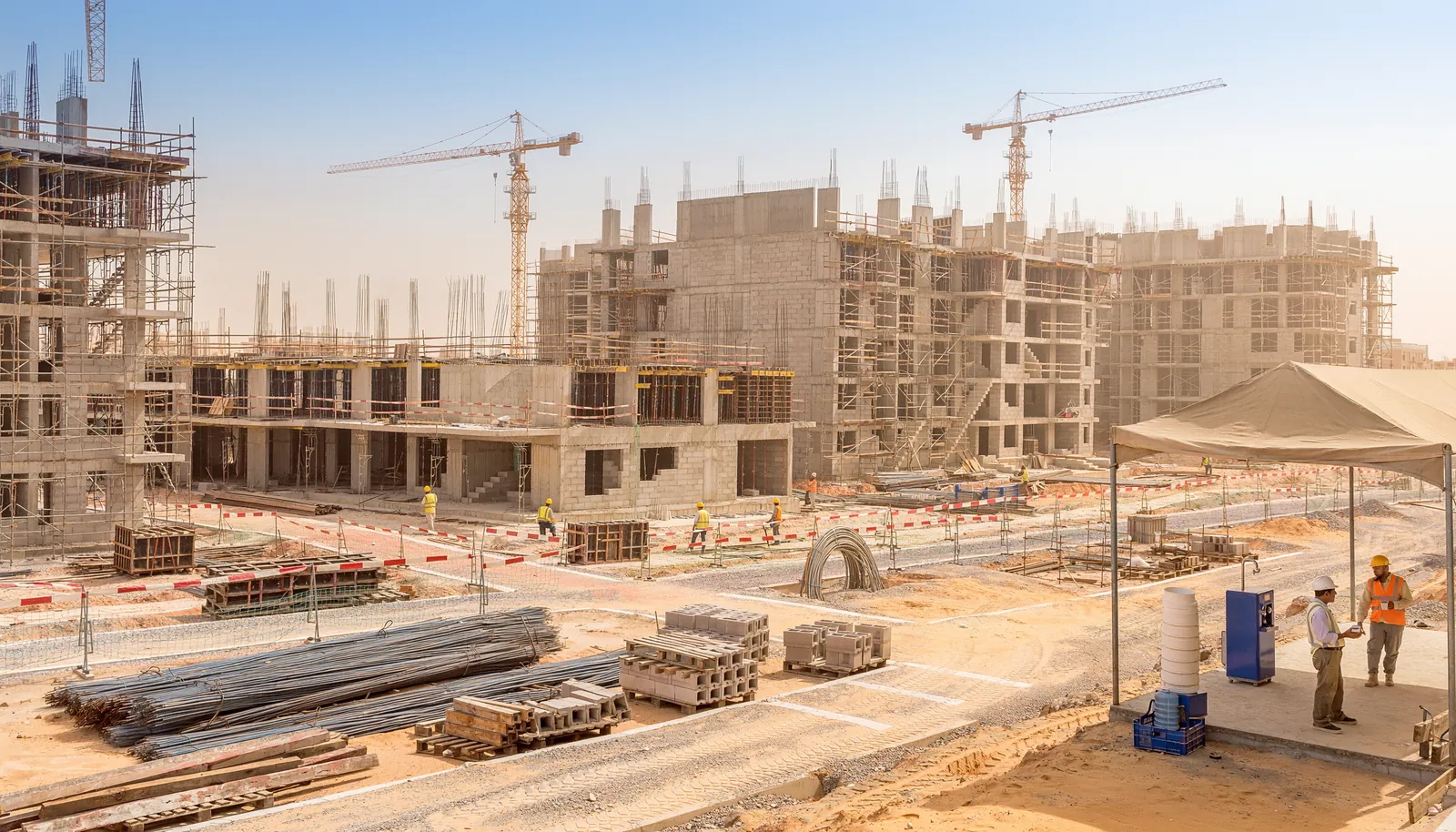
Wide view of a Saudi construction site with partly built concrete structures.
Illustrative image

Camera sources

What VISION takes frames from

Source Details
USB (UVC) camera on an Android device A compact 1080p wide-angle USB camera module connected to the inspector’s Android device over USB-C.
Phone camera The Android device’s own camera, for walk-arounds without extra hardware.
Browser webcam Live inspection from a laptop or desktop browser at a gate, site office or workstation.
Recorded video and images For simulations, training and demonstrations. Results are kept separate from live records.

Processing

Where the AI runs

Detection runs on the VISION inference service, a server-side component. Devices send frames; the server does the analysis and keeps the evidence.

Server-side inference

A containerised service on a CPU or NVIDIA GPU server. Hosting is agreed per project.

Secure device pairing

Inspector devices pair by code or QR and can be revoked and wiped remotely.

Intermittent connectivity

The Android app queues evidence securely while offline and uploads it when the connection returns.

Deployment set-ups

Two ways VISION meets a site

Mobile inspection

  1. USB camera
  2. Android device in vest pouch
  3. Mobile data or Wi-Fi
  4. VISION server

An inspector walks the site; frames are analysed on the server and findings are reviewed by HSE and Head Office.

Site office or gate

  1. Webcam or USB camera
  2. Browser
  3. VISION server

A fixed viewpoint from a site office, gate or workstation, using a browser session.

Hardware safety

Rules we follow with field hardware

  • Never drill, glue or otherwise modify a safety helmet. A helmet-mounted camera only uses an attachment approved by the helmet manufacturer; chest and vest mounts are also available.
  • The standard camera kit is not rated for explosive atmospheres (ATEX / IECEx) and must not be used in classified hazardous areas.
  • Cables are routed so they cannot snag; devices are carried in a secure pouch, not handheld while walking.

Using a specific camera?

Tell us the make and model and we will confirm how it fits your sites and connectivity.

Planning cameras for a project?

Book a hardware consultation. Bring your site layout, existing cameras and connectivity constraints.